
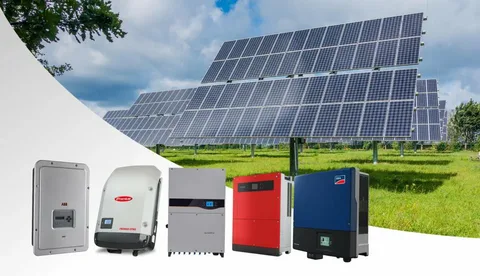
As solar technology evolves, the importance of correctly sizing your solar inverter becomes increasingly critical. With 2025 fast approaching, understanding the latest standards and best practices in inverter sizing will ensure your solar system operates at peak efficiency, reliability, and cost-effectiveness.
In this comprehensive solar inverter sizing guide 2025, we’ll cover everything from the basics of inverter function to advanced sizing strategies so that you can maximize your system’s output and lifespan.
What Is Solar Inverter Sizing and Why Does It Matter?
A solar inverter converts the direct current (DC) generated by your solar panels into alternating current (AC) that powers your home or business. Choosing the right size inverter for your system is crucial because:
- An undersized inverter may limit the system’s power output during peak sunlight hours.
- An oversized inverter can lead to inefficiencies and unnecessary extra cost.
- Proper sizing optimizes energy conversion, system reliability, and return on investment.
The Solar Inverter Sizing Guide 2025 highlights new considerations for inverter selection based on emerging technology and market trends.
Key Factors in 2025 Inverter Sizing
Several factors influence how you size a solar inverter for your specific installation:
1. System DC Capacity
Your inverter should generally match or slightly undersize the total DC wattage of your solar panels. Most residential and commercial systems operate within a DC-to-AC ratio of 1:1 to 1.25:1. For example, a 10 kW solar array typically pairs well with an inverter rated between 8 kW and 10 kW.
2. Maximum Power Point Tracking (MPPT)
Modern inverters feature MPPT (Maximum Power Point Tracking) capabilities to optimize the power output of solar panels. Multiple MPPT inputs allow for complex system designs with varying panel orientations or shading patterns.
3. Local Regulations and Grid Requirements
In 2025, new grid codes may require inverters to have features such as reactive power control, low-voltage ride-through, and smart communication. These features may influence inverter sizing and selection.
4. Temperature and Environmental Factors
Inverters’ performance can vary with temperature. Some inverters may require derating in hotter climates, which should be considered during sizing.
Step-by-Step Solar Inverter Sizing Guide 2025
Follow these steps to size your solar inverter efficiently:
Step 1: Calculate Your Total Solar Panel Capacity
- Sum the rated wattage of all panels in your array (DC rating).
- Consider future expansion plans or seasonal variations.
Step 2: Decide on the DC-to-AC Ratio
- Residential systems typically use ratios from 1.1 to 1.25 to maximize energy harvest.
- Commercial systems often prefer closer to 1:1 for equipment longevity and warranty compliance.
Step 3: Check the Inverter’s AC Output Rating
- Select an inverter with an AC output rating close to your target size from Step 2.
- Remember that slightly undersizing can be beneficial for clipping losses and costs.
Step 4: Account for Environmental Conditions
- Review the manufacturer’s datasheets for temperature derating curves.
- Adjust the inverter size if your site experiences high ambient temperatures.
Step 5: Confirm Compliance with Grid and Incentive Requirements
- Verify the inverter meets all necessary certifications for your region.
- Ensure sizing aligns with local incentives, which may have specific rules.
Common Mistakes to Avoid in Inverter Sizing
- Oversizing the inverter unnecessarily: Leads to wasted investment and lower efficiency.
- Ignoring temperature effects: can reduce inverter lifespan and performance.
- Neglecting future system expansions: Planning saves costly upgrades later.
- Overlooking local grid rules can result in installation delays or fines.
Benefits of Proper Solar Inverter Sizing
- Maximized Energy Harvest: Optimal inverter sizing allows your system to capture more power throughout the day.
- Improved System Reliability: Reduces inverter stress and prolongs operational lifespan.
- Cost Savings: Avoids buying unnecessarily large equipment and lowers maintenance costs.
- Simplified Maintenance: Well-sized inverters operate closer to their ideal conditions, reducing failures.
What’s New in 2025 for Solar Inverter Technology?
The solar industry is continuously innovating. Some of the trends and technologies shaping inverter sizing in 2025 include:
- Smart inverters with advanced grid support features for better integration.
- Modular inverter designs for easy scalability in commercial systems.
- Improved thermal management for enhanced performance in hotter climates.
- Integration with energy storage and electric vehicle charging requires more precise sizing considerations.
How Unicorn Solar Inc. Can Help You Get It Right
At Unicorn Solar Inc., we specialize in guiding solar developers, EPCs, and business owners through the complexities of system design and procurement. Our expert team helps you:
- Choose the proper inverter size tailored to your specific project.
- Ensure compliance with the latest regulations and incentives.
- Source bankable, high-efficiency inverters from trusted manufacturers.
- Optimize overall system design for maximum return on investment.
Final Tips for Solar Inverter Sizing Success in 2025
- Always refer to the latest manufacturer specs and local code updates.
- Consider system monitoring tools to track inverter performance.
- Balance upfront costs with long-term benefits.
- Don’t hesitate to consult experts—correct sizing is crucial for the success of your solar project.
Conclusion
Mastering the solar inverter sizing guide 2025 is essential for any solar project aiming for peak efficiency and longevity. With evolving technology and regulations, staying updated ensures you get the best performance and value.
Whether you’re working on residential, commercial, or utility-scale projects, smart inverter sizing paired with trusted guidance from Unicorn Solar Inc. will keep your system running smoothly for decades.
