
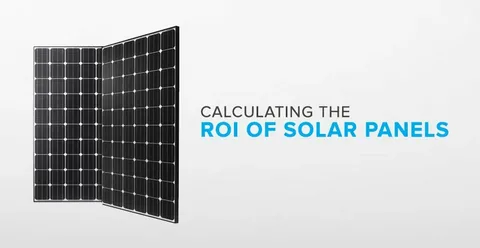
Investing in solar power is a long-term commitment, often spanning 20 to 30 years. While installation quality and component selection are critical to performance, what truly determines long-term returns is how the system is operated and maintained. Effective O&M best practices for solar—operation and maintenance—ensure that solar assets run efficiently, experience fewer breakdowns, and deliver maximum energy output throughout their lifespan.
At Unicorn Solar Inc., we have seen firsthand how proactive O&M strategies safeguard solar projects from unnecessary losses and extend return on investment (ROI). By adopting the right onsite practices, system owners and operators can protect their assets while reducing operational costs.
Why Solar O&M Matters
Solar power systems are designed to be durable, but like any long-term investment, they need consistent care. O&M is not just about fixing issues when they arise—it’s about preventing problems before they occur. A robust maintenance plan ensures:
- Higher energy output is achieved by minimizing performance losses.
- Fewer system failures through early detection of issues.
- Improved safety for workers and equipment.
- Compliance with warranties and regulations.
- Extended equipment life that maximizes ROI.
Neglecting O&M often results in energy losses of 10–20% per year, which can quickly add up to significant revenue shortfalls.
Key O&M Best Practices for Solar
Adopting a proactive approach to operations and maintenance (O&M) requires careful planning and execution. Below are the most essential practices that every solar project should implement:
1. Routine Inspections
- Perform visual checks of panels, racking, and inverters.
- Inspect modules for cracks, discoloration, or dirt buildup.
- Identify signs of wear in cabling and connectors.
2. Regular Cleaning of Panels
- Dust, pollen, and bird droppings reduce panel efficiency.
- Establish a cleaning schedule that considers local weather and environmental conditions.
- Use deionized water or approved cleaning methods to prevent surface damage.
3. Performance Monitoring
- Implement remote monitoring systems to track energy production and consumption.
- Set alerts for deviations in performance metrics.
- Compare output data against expected benchmarks.
4. Preventive Maintenance
- Replace worn parts before they lead to more significant failures.
- Inspect junction boxes and inverters for overheating or corrosion.
- Lubricate mechanical parts where applicable.
5. Inverter and Electrical Checks
- Test voltage and current regularly.
- Ensure inverter software is updated.
- Inspect grounding systems to avoid electrical hazards.
6. Vegetation and Site Management
- Keep vegetation trimmed to avoid shading panels.
- Ensure site access for maintenance vehicles and safety personnel is available.
- Maintain drainage systems to prevent flooding or erosion.
7. Documentation and Reporting
- Keep records of inspections, maintenance, and repairs to ensure accurate documentation and compliance.
- Document all system faults and corrective actions.
- Use data to plan long-term improvements.
Common Challenges in Solar O&M
Even with best practices in place, solar O&M teams often face recurring challenges:
- Environmental factors like dust storms, snow, or extreme heat.
- Unexpected equipment failures despite regular inspections.
- Limited access to spare parts is causing downtime delays.
- Budget constraints limit preventive maintenance.
- Labor shortages of trained solar technicians.
By anticipating these challenges, project owners can build contingency plans into their O&M strategies.
Benefits of Following O&M Best Practices
Implementing a strong O&M program offers measurable benefits:
- Maximized ROI by ensuring peak energy output.
- Reduced operational costs through preventive maintenance.
- Improved safety standards for staff and contractors.
- Extended equipment lifespan, delaying costly replacements.
- Higher investor confidence is making it easier to finance future projects.
Role of Technology in Solar O&M
Advancements in digital tools have made solar operations and maintenance (O&M) more efficient and precise. These include:
- Drones for inspection to detect cracks or hot spots quickly.
- Thermal imaging cameras to identify underperforming modules.
- Predictive analytics that use AI to forecast equipment failures.
- Cloud-based monitoring platforms for real-time system visibility.
By integrating technology into operations and maintenance (O&M), operators can significantly reduce downtime and repair costs.
How Unicorn Solar Inc. Supports O&M
At Unicorn Solar Inc., we recognize that proper maintenance is crucial to achieving long-term solar performance. Our team helps clients implement O&M best practices tailored to their projects, ensuring compliance with warranties and maximizing efficiency. From system monitoring to preventive inspections and factory-level expertise, we provide comprehensive support to keep your assets performing optimally.
Final Thoughts
Adopting O&M best practices for solar is not optional—it’s a necessity for protecting your investment. Routine inspections, preventive maintenance, and innovative use of technology can significantly extend the life of your solar system while maximizing ROI.
With support from Unicorn Solar Inc., solar project owners can be confident that their systems are maintained to the highest standards, ensuring long-term success in an increasingly competitive energy market.
