
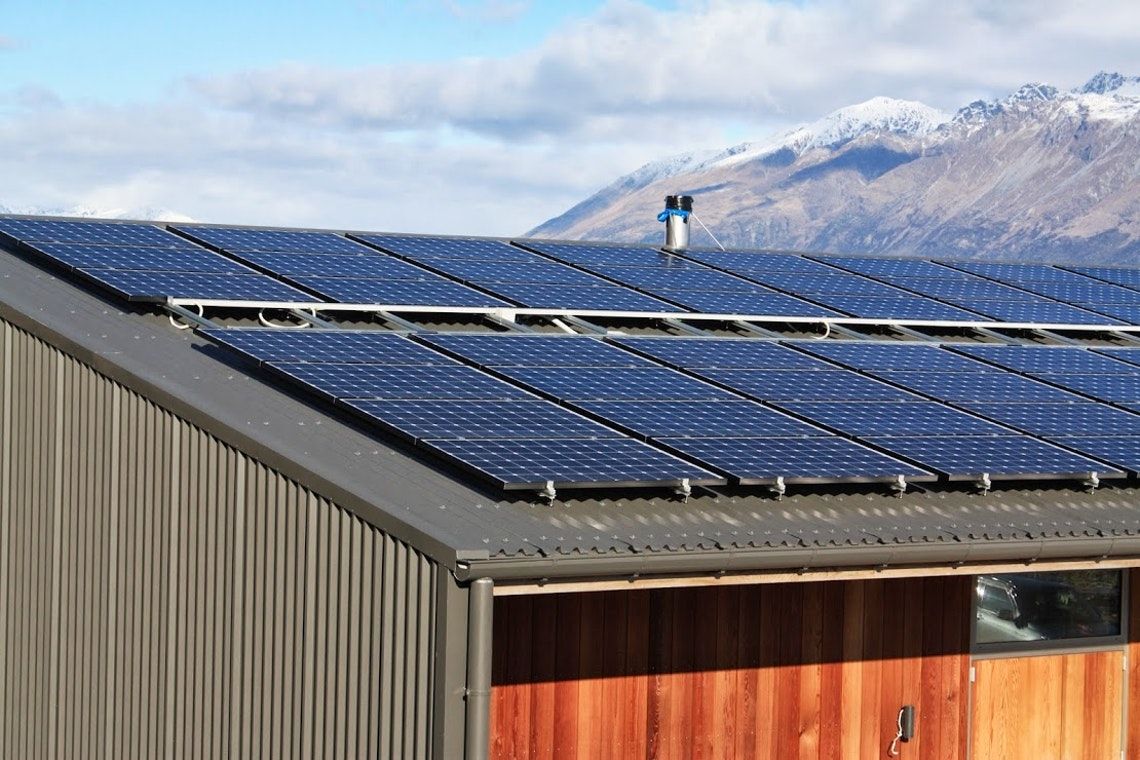
Solar panels have long been a major focus in California, one of the best states for solar energy adoption. With high electricity rates, abundant sunshine, and progressive energy policies, many homeowners wonder: Are solar panels still profitable for California homes in 2025? The answer depends on several factors, including the cost of solar panel installation, energy savings, incentives, and how homeowners plan to manage their energy use.
Current State of Solar in California 2025
California continues to lead the nation in renewable energy, holding its reputation as one of the best states for solar panels. With over 1.5 million solar systems installed statewide, homeowners benefit from consistent sunshine and policies that support clean energy adoption.
However, profitability looks different in 2025 than it did just a few years ago. Net Energy Metering (NEM) 3.0, which reduced compensation for exported solar power, shifted the focus toward using more solar energy onsite. For homeowners, this means pairing solar with a battery backup system is often key to maximizing savings.
Profitability Factors for Homeowners
The profitability of solar energy in California depends on upfront costs, energy savings, and how long it takes to earn back the investment.
Solar Panel Installation Costs
The cost of solar panel installation has dropped dramatically over the past decade. In 2010, prices hovered around $8 per watt. Today, in 2025, the average installation runs about $3 per watt. A typical residential system might cost $18,000 before incentives, with the federal solar tax credit reducing that by 30%.
When comparing costs, homeowners should consider:
- System size and energy needs
- Type and efficiency of panels
- Installation complexity (roof shape, shading, electrical work)
- Incentives available in California
For more details on installation services, you can explore specialized solar services that tailor systems to your household needs.
Energy Savings and ROI
Savings remain one of the strongest motivators for going solar. California’s electricity rates are among the highest in the nation, often exceeding 30 cents per kilowatt-hour in some regions. Every kilowatt-hour generated by your panels reduces your utility bill.
The average homeowner can expect to save $1,500 to $2,000 annually on electricity costs, depending on system size and usage. That means most systems reach payback within 8 to 12 years, while continuing to produce clean energy for 25 years or more.
The Role of Battery Backup Systems
With the arrival of NEM 3.0, battery storage has become increasingly important. A battery backup system allows homeowners to store excess solar power during the day and use it at night or during power outages.
Key benefits include:
- Increased self-consumption: Use more of your solar energy instead of sending it to the grid.
- Resilience: Keep lights and appliances running during outages.
- Lower reliance on utilities: Protect against future electricity rate hikes.
While batteries increase upfront costs, they also improve the long-term profitability of solar by ensuring maximum energy savings.
Residential Solar Panels in California
Residential solar panels California installations remain among the highest in the country. The combination of sunlight availability and high energy costs makes California an ideal environment for solar adoption.
Benefits of Solar Panels in California
The benefits of solar panels in California extend beyond cost savings. Homeowners enjoy:
- Lower monthly utility bills with consistent, predictable savings.
- Energy independence from volatile utility rate changes.
- Environmental benefits by reducing reliance on fossil fuels.
- Increased property value for homes with solar systems.
For homeowners comparing equipment, solar products like high-efficiency panels and storage solutions can help maximize benefits.
Challenges Homeowners Face
Despite the advantages, there are challenges too. Upfront costs can feel overwhelming, roofs may not always be ideal for installation, and shifting policies like NEM 3.0 create uncertainty. Still, with the right system design, solar remains profitable for most households.
How California Compares to the Best States for Solar Panels
California ranks consistently among the best states for solar panels, but competition is growing. States like Texas, Florida, and Arizona are making strong gains in solar adoption due to policy support and lower system costs.
California continues to stand out, however, because of:
- High electricity rates that amplify savings
- Generous sunshine throughout the year
- Incentives like the federal solar tax credit
- Widespread availability of financing and leasing options
Long-Term Solar System Investment in California
A solar system investment California homeowners make today can yield returns for decades. Most solar panels last 25 to 30 years with minimal maintenance, ensuring long-term value. The profitability comes not just from savings, but also from peace of mind: energy security, independence, and protection from utility price hikes.
Companies like Unicorn Solar emphasize the importance of customized solutions that balance affordability with long-term benefits. By choosing the right system size and features, California homeowners can secure substantial savings while contributing to a cleaner energy future.
Conclusion
So, are solar panels still profitable for California homes in 2025? The answer is yes. Despite changes like NEM 3.0, solar remains a smart and practical investment thanks to lower installation costs, significant savings, and the added security of pairing panels with a battery backup system.
For most households, the benefits of solar panels in California—financial, environmental, and lifestyle—outweigh the challenges. The key is working with reliable solar installers who understand local conditions and policies. With expert guidance, Californians can ensure their solar investment continues to pay off well into the future.
