
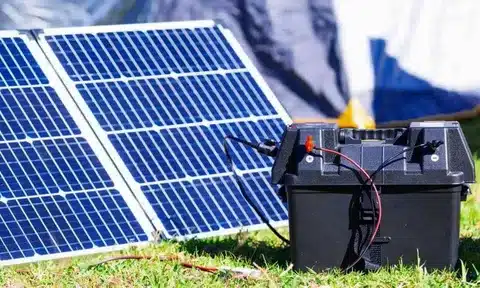
In 2026, solar energy systems are increasingly paired with reliable battery storage to maximize efficiency and ensure uninterrupted power. At Unicorn Solar, we specialize in helping homeowners and businesses select the best solar batteries for their unique needs. From home battery storage to commercial solar batteries, our solutions are designed to optimize energy usage, reduce reliance on the grid, and enhance long-term savings.
With a wide range of options available, there is no single “best” battery. Various applications for residential or commercial use require different capacities, features, and levels of resiliency. This guide will help you explore your options and select the right solar power battery for your system.
Why Solar Battery Storage Matters
Adding a battery to your solar system does more than store excess energy—it unlocks financial, environmental, and operational benefits.
Backup Power
Power outages are inevitable, whether due to storms, maintenance, or grid instability. A solar battery ensures essential systems like lighting, refrigeration, and communications stay online during interruptions.
Energy Cost Optimization
Battery storage allows you to store surplus energy during the day and use it when utility rates are higher. This time-of-use shifting can significantly reduce electricity bills.
Self-Consumption and Energy Independence
In areas where net metering is limited, batteries allow you to use the energy you generate rather than sending it back to the grid. This improves energy independence and lowers overall consumption costs.
Top Solar Batteries to Consider in 2026
Selecting the best home battery storage or commercial solar batteries involves balancing capacity, efficiency, reliability, and cost. Here are some leading types and technologies:
Lithium-Ion Batteries
- High-energy density and long lifespan
- Minimal maintenance requirements
- Excellent for residential and commercial use
- Compatible with most solar inverters
Lithium Iron Phosphate (LFP) Batteries
- Safer thermal performance
- Longer cycle life compared to standard lithium-ion
- Non-toxic and environmentally safer
- Ideal for heavy-use or high-capacity installations
Lead-Acid Batteries
- Cost-effective upfront
- Require regular maintenance
- Lower efficiency and shorter lifespan
- Suitable for smaller systems or backup-only applications
Key Features to Evaluate
When selecting a battery, consider the following:
- Capacity and Usable Energy: How much energy you can realistically draw from the battery.
- Peak and Continuous Power: Ensures your battery can handle high-demand appliances.
- Round-Trip Efficiency: The percentage of stored energy you can actually use.
- Depth of Discharge (DoD): Determines how much of the battery’s capacity is usable without damage.
- Warranty and Manufacturer Reliability: Guarantees performance over time and ensures support.
Choosing the Best Battery for Your System
Assess Your Energy Goals
Your energy goals dictate the right battery type and size:
- Partial Backup: Protect essential systems like lights and refrigeration.
- Full-Home Backup: Power the entire home, including HVAC and EV charging.
- Load Shifting: Reduce electricity costs by using stored energy during peak rates.
- Sustainability: Maximize the use of self-generated solar power and reduce carbon footprint.
Inverter Compatibility
The best battery for inverter integration ensures efficient energy transfer and avoids system losses. Confirm voltage, inverter type (AC or DC), and manufacturer recommendations.
Cost Considerations in 2026
Battery prices vary by technology, capacity, and installation requirements:
- Typical range: $1,000–$2,000 per kWh
- Average 10 kWh system: $10,000–$20,000 installed
- Installing with solar panels reduces soft costs like labour, permitting, and inspection
- Consumption-only batteries can cost less while delivering bill savings
Installation typically accounts for 5–10% of the total cost and includes mounting, wiring, and system configuration. Modern advancements reduce labour and material requirements, making high-capacity batteries more accessible.
Conclusion
Selecting the right solar battery is a critical step for optimizing your solar system. By evaluating capacity, efficiency, warranty, and inverter compatibility, you can ensure your investment delivers long-term savings and reliability. Whether you are looking for residential solar batteries or commercial-scale solutions, integrating them with residential & commercial solar panels from Unicorn Solar maximizes efficiency, resiliency, and overall performance, creating a future-ready energy system.
FAQs
Which batteries are best for home solar systems?
Leading options include lithium-ion and lithium iron phosphate (LFP) batteries, with high reliability and long lifespan.
Which is the best solar battery brand?
Top brands include Tesla, Enface, and Franklin, recognized for robust performance and warranties.
How long do solar batteries last?
Modern lithium-ion and LFP batteries typically last 10–15 years, with warranties guaranteeing at least 70% capacity retention.
Can I add a battery to an existing solar system?
Yes, many batteries integrate with existing inverters. AC vs DC coupling may impact efficiency and installation complexity.
Do solar batteries save money on electricity bills?
Yes, batteries store excess energy for later use, reducing peak-time consumption and lowering monthly utility costs.
