
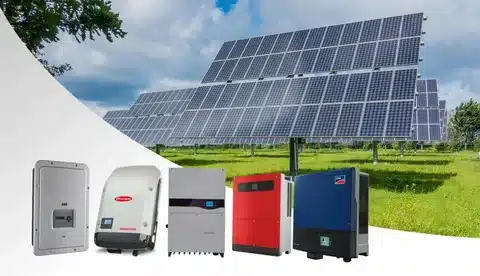
Investing in a reliable solar power system begins with choosing the right components, and among them, solar inverters play a crucial role. At Unicorn Solar, we specialize in helping homeowners and businesses select the most efficient solar inverters to ensure optimal performance and long-term energy savings. From converting DC electricity from solar panels into usable AC power to enhancing overall system efficiency, the choice of inverter can make a significant difference.
Understanding Solar Inverters and Their Importance
Solar inverters are the heart of any solar power system. They perform the essential function of converting direct current (DC) generated by solar panels into alternating current (AC), which powers homes, offices, and commercial facilities. Beyond this conversion, modern solar inverters also monitor system performance, manage energy output, and even communicate with smart energy devices.
Key benefits of using high-efficiency solar inverters include:
- Maximized energy production
- Reduced electricity bills
- Enhanced lifespan of solar panels
- Seamless integration with energy storage systems
Types of Solar Inverters
Choosing the right type of inverter depends on your specific energy needs, system size, and installation environment.
String Inverters
String inverters are the most common choice for residential and small commercial solar installations. Panels are connected in series (forming a “string”) and feed power to a central inverter.
Advantages:
- Cost-effective for standard installations
- Simple design and installation
- Reliable for consistent sunlight exposure
Considerations:
- Performance can be impacted by shading on one or more panels
- Limited flexibility for expanding the system
Microinverters
Microinverters are installed directly on each solar panel, converting DC to AC individually. This design improves efficiency, especially in partially shaded areas.
Advantages:
- Higher overall energy yield
- Panel-level monitoring and control
- Easy system expansion
Considerations:
- Higher upfront cost
- Requires a more complex installation
Hybrid Inverters
Hybrid inverters combine the functions of a standard solar inverter and a battery inverter, allowing seamless integration with energy storage systems. They are ideal for homeowners or businesses aiming for energy independence.
Advantages:
- Supports solar battery storage
- Maximizes self-consumption of solar energy
- Optimizes energy usage during peak hours
Considerations:
- Costlier than traditional inverters
- Requires proper system sizing for efficiency
Residential Solar Inverters
For homeowners, residential solar inverters focus on efficiency, reliability, and compact design. Modern residential inverters often include smart features such as:
- Remote monitoring via mobile apps
- Automatic shutdown for safety
- Integration with home energy management systems
Investing in a high-quality residential solar inverter ensures consistent energy generation, reduces dependency on the grid, and enhances your home’s sustainability profile.
Commercial Solar Inverters
Commercial solar inverters are designed to handle larger solar arrays and higher energy demands. These inverters often offer advanced features, such as:
- Three-phase power compatibility
- Modular designs for easy expansion
- Enhanced monitoring and diagnostics
Businesses adopting commercial solar inverters can significantly cut energy costs, increase operational efficiency, and meet corporate sustainability goals.
Factors to Consider for Solar Inverter Efficiency
When selecting a solar inverter, efficiency is a top priority. Key factors include:
- Conversion efficiency: How effectively the inverter converts DC to AC
- Temperature tolerance: Performance consistency under varying weather conditions
- Monitoring capabilities: Ability to track system performance and detect faults
- Warranty and support: Manufacturer guarantees and technical assistance
Optimizing solar inverter efficiency maximizes energy production and prolongs the lifespan of your solar panels.
Installation and Maintenance Tips
Proper installation and maintenance are essential to ensure long-term performance:
- Hire certified technicians for professional solar inverter installation
- Keep panels and inverters clean and free of debris
- Regularly monitor inverter performance using the provided software
- Address error codes or warning signals promptly to avoid downtime
With routine care, your solar inverter can deliver years of reliable energy conversion.
Choosing the Right Inverter for Your Needs
Selecting the right solar inverter involves balancing cost, efficiency, and system size. Whether installing a residential or commercial system, it’s crucial to evaluate your energy consumption patterns, future expansion plans, and desired features.
By investing in energy-saving solar inverters, you maximize returns on your solar power system and contribute to a cleaner, greener energy future. Pairing the right inverter with high-quality panels and storage solutions ensures optimal performance and sustainability.
For those looking to complement their solar setup with long-term energy storage, consider pairing your inverter with Best Solar Batteries to further enhance energy independence and efficiency.
