
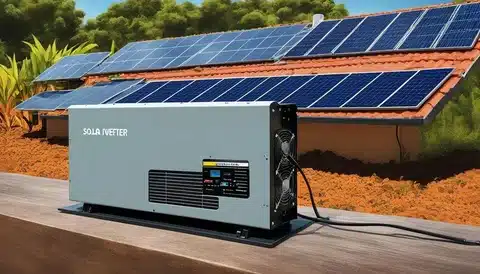
Choosing the right solar and power inverter is critical to maximizing the efficiency and reliability of any solar system. Partnering with Unicorn Solar allows homeowners and businesses to select inverters tailored to their specific needs, whether for commercial solar inverters or residential setups. The inverter acts as the brain of a solar power system, converting DC electricity from panels into AC power for your home or business, so selecting the correct model directly influences system performance and energy savings.
Understanding Solar and Power Inverters
Solar inverters play a central role in converting solar energy into usable electricity:
- String inverters: Centralized inverters connected to a series of solar panels. Efficient for large, uniform arrays but can be affected by shading.
- Micro inverters: Installed at individual panels to maximize output independently, ideal for partial shading or complex roof layouts.
- Hybrid inverters: Combine solar conversion with energy storage capabilities, allowing integration with battery systems.
Choosing between these types requires understanding your energy goals, roof design, and system size.
Key Functions of a Solar Inverter
- DC to AC conversion: The primary function that allows solar energy to power standard electrical appliances.
- Monitoring and control: Many inverters provide real-time performance monitoring for each panel or system segment.
- System protection: Safeguards against overvoltage, overheating, and grid fluctuations.
- Grid interaction: Some inverters feed excess energy back to the grid, supporting net metering programs.
Proper inverter selection ensures your solar panels operate at peak efficiency, reduces energy loss, and prevents damage to electrical systems.
Factors to Consider When Selecting Inverters
Selecting the right inverter is not just about matching wattage—it’s about long-term performance and compatibility. Important factors include:
- System size: Residential systems may benefit from micro or hybrid inverters, while commercial systems often require string or centralized inverters.
- Efficiency rating: High-efficiency inverters minimize energy loss during conversion.
- Compatibility with solar panels: Voltage and current ratings must align to prevent performance issues.
- Monitoring capabilities: Advanced monitoring allows you to detect underperforming panels or system faults.
- Warranty and support: Reliable inverters come with long-term warranties and responsive technical support.
Choosing the right inverter from the outset ensures optimal energy production, reliability, and ROI.
Inverter Efficiency and Solar System Performance
Solar inverter efficiency is a critical metric that measures how effectively the inverter converts DC to AC power. Higher efficiency translates to more usable energy and better savings:
- Typical modern inverters have efficiencies between 95%–99%.
- Micro and hybrid inverters often outperform traditional string inverters in partial shading conditions.
- Efficiency loss over time can occur if the inverter is improperly sized or poorly installed.
Regular monitoring and system adjustments help maintain peak inverter performance and long-term reliability.
Commercial vs Residential Inverter Selection
Commercial solar inverters often need to handle higher loads and larger arrays than residential units. Key considerations include:
- Scalability: Ability to add more panels without replacing the inverter.
- Redundancy: Multiple inverters can prevent complete system failure.
- Advanced monitoring: Commercial systems benefit from software that tracks performance across multiple locations or panels.
Residential solar inverters prioritize ease of installation, monitoring simplicity, and integration with potential home battery storage solutions.
Installation Best Practices
Proper installation is critical for inverter longevity and efficiency:
- Ensure adequate ventilation to prevent overheating.
- Place inverters in easily accessible locations for maintenance.
- Protect from direct sunlight, moisture, and dust.
- Hire certified installers to guarantee a safe, code-compliant setup.
Common Mistakes in Inverter Selection
Avoiding common pitfalls helps ensure long-term system performance:
- Oversizing or undersizing inverters: Can lead to energy losses or system strain.
- Ignoring panel compatibility: Voltage mismatches reduce efficiency.
- Neglecting monitoring needs: Fails to identify underperforming panels.
- Skipping professional installation: Increases risk of system failure or safety hazards.
Careful planning and informed selection of the correct inverter type are critical for both residential and commercial solar success.
Maximizing System Performance
Combining high-efficiency solar and power inverters with energy-saving strategies can improve overall solar system performance:
- Pair with high-quality PV modules to optimize energy conversion.
- Integrate with Battery Storage to store excess energy for later use.
- Monitor system performance regularly and adjust load schedules to reduce waste.
By taking these steps, solar systems achieve higher energy output, better reliability, and reduced electricity costs over time.
Conclusion
The selection of a solar panel and a power inverter significantly impacts system performance, efficiency, and reliability. Whether for residential or commercial applications, choosing the correct inverter ensures optimal energy conversion, protects your investment, and allows for future integration with battery storage solutions. Partnering with experts like Unicorn Solar can guide you through the process, ensuring your solar system operates at peak efficiency for years to come. By integrating advanced inverters with smart Battery Storage, both homeowners and businesses can enjoy sustainable, cost-effective, and reliable renewable energy solutions.
