
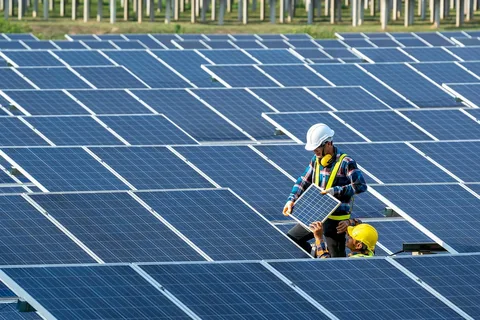
The solar energy market is expanding rapidly, and sourcing high-quality solar modules from reliable international suppliers has become more crucial than ever. At Unicorn Solar, we work closely with top global brands to provide businesses and installers with premium solar solutions that ensure long-term performance and ROI. Navigating the complexities of global solar module sourcing requires a strategic approach, industry insight, and strong supplier relationships.
Understanding the Global Solar Equipment Market
To make informed procurement decisions, it’s essential to understand the current trends and dynamics of the global solar equipment market:
- Tiered Suppliers: Solar modules are classified into Tier-1, Tier-2, and Tier-3 based on manufacturer reliability, bankability, and production quality. Tier-1 solar panel sourcing ensures long-term durability and warranty support.
- Regional Production Hubs: Asia remains a dominant hub for solar module manufacturing, with China, India, and Vietnam leading production. Europe and the US focus more on advanced technologies and specialized panels.
- Market Volatility: Global pricing, trade policies, and shipping constraints can impact procurement timelines and costs. Staying informed about market trends is essential to mitigate risk.
Identifying Reliable International Solar Suppliers
Working with trusted suppliers is the cornerstone of successful global solar module sourcing. Here are some tips:
Research Supplier Credentials
- Check certifications such as IEC, UL, or ISO standards.
- Verify financial stability to ensure a consistent supply.
- Seek references or case studies from previous projects.
Evaluate Product Quality
- Assess efficiency ratings, degradation rates, and warranty coverage.
- Request sample modules for testing before committing to large orders.
- Ensure compliance with local installation standards.
Build Long-Term Partnerships
- Establish communication channels for technical support and post-sale services.
- Negotiate favorable terms and volume discounts for recurring orders.
- Partner with suppliers who can adapt to changing technological and regulatory requirements.
Solar Module Procurement Tips for 2026
Optimizing procurement processes helps organizations reduce costs, enhance quality, and improve project timelines. Consider these best practices:
- Forecast Demand Accurately: Use historical data and project pipelines to avoid overordering or shortages.
- Diversify Suppliers: Avoid dependency on a single manufacturer to mitigate supply chain risks.
- Leverage Bulk Orders: Consolidate purchases to negotiate better pricing and shipping rates.
- Inspect Before Shipment: Perform pre-shipment inspections or factory audits to ensure product compliance.
- Stay Updated on Technology: Keep abreast of advancements in bifacial panels, high-efficiency modules, and integrated solutions.
Choosing the Best Solar Inverters
Selecting the right inverter is just as important as sourcing solar panels. The best solar inverters optimize energy output, ensure grid compatibility, and provide monitoring capabilities. Top considerations include:
- Efficiency ratings and MPPT performance.
- Reliability and warranty from Tier-1 manufacturers.
- Compatibility with battery storage and smart grid solutions.
- Monitoring and remote management features.
Integrating high-quality inverters with Tier-1 solar modules maximizes system performance and long-term energy yield.
Risk Management in Global Sourcing
Global procurement comes with inherent challenges, from shipment delays to regulatory compliance. Effective Risk Management is essential to minimize these issues. Best practices include:
- Conducting thorough due diligence on suppliers to ensure reliability.
- Utilizing logistics partners experienced in solar equipment transport.
- Staying up to date with international trade regulations and tariffs.
- Establishing contingency plans to address potential supply chain disruptions.
Final Thoughts
Global solar module sourcing is no longer just about finding the cheapest supplier. It’s about securing reliable, bankable products, building strong partnerships, and staying ahead of technological advancements. By following the practices outlined above, solar businesses can navigate the international market with confidence. For organizations aiming to streamline their procurement processes and ensure quality, Sourcing Solar Equipment in 2026 is a strategic step toward achieving optimal project performance and sustainability.