
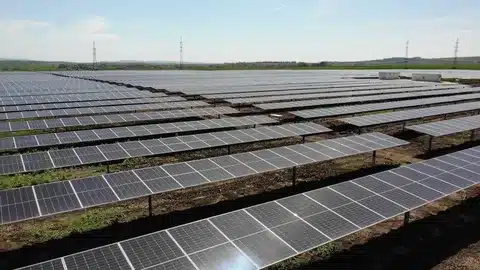
When it comes to maximizing the output of a solar system, PV module efficiency is one of the most important factors to consider. Homeowners and businesses rely on Unicorn Solar to guide them in selecting panels that deliver consistent performance while integrating smoothly with inverters and other system components. Understanding module efficiency helps make informed decisions about system design, panel type, and long-term energy savings.
What is PV Module Efficiency?
PV module efficiency measures the percentage of sunlight a solar panel can convert into usable electricity. For example, a panel with 20% efficiency converts 20% of the sunlight hitting it into electrical energy. Efficiency impacts:
- Energy output: Higher efficiency panels generate more electricity in a smaller space.
- System sizing: Efficient modules may reduce the number of panels needed to meet energy requirements.
- Cost-effectiveness: Maximizing energy generation per panel improves the return on investment.
Why Efficiency Matters for Homeowners and Businesses
- Limited space: Residential rooftops often have limited surface area, making high-efficiency panels essential.
- Commercial installations: Businesses with large rooftops benefit from both efficiency and scalability, maximizing energy production.
- Performance over time: Higher-quality panels maintain better output over the years, minimizing degradation.
Understanding efficiency also helps with maintenance planning, ensuring each panel delivers optimal energy throughout its lifespan.
Factors Affecting PV Module Efficiency
Several factors determine how efficiently a panel converts sunlight into electricity:
- Cell type: Monocrystalline panels typically offer the highest efficiency, followed by polycrystalline and thin-film panels.
- Temperature coefficient: Panels lose some efficiency in high temperatures; a lower coefficient means better performance in heat.
- Shading and orientation: Even small shadows can reduce output; proper placement is critical.
- Panel quality and manufacturing standards: Certified panels usually maintain efficiency longer and degrade more slowly.
How to Maximize PV Module Efficiency
- Optimal placement: Ensure panels are angled correctly to capture maximum sunlight throughout the day.
- Minimize shading: Trim trees or avoid obstructions that block sunlight.
- Regular maintenance: Cleaning panels and checking for damage prevents energy loss.
- Pair with quality inverters: Energy-saving and efficient inverters help convert the generated DC power to AC with minimal losses.
Residential vs Commercial Considerations
Residential solar systems:
- Usually limited by roof size, so high-efficiency modules are critical.
- Micro inverters are often preferred for independent panel operation and better monitoring.
- Monitoring software allows homeowners to track performance and detect underperforming panels.
Commercial solar systems:
- Larger arrays may use string or hybrid inverters.
- Efficiency combined with scalability ensures maximum energy production.
- Advanced monitoring tools help maintain overall system performance and identify issues promptly.
PV Module Efficiency and System Performance
Efficient modules maximize electricity production and enhance the overall solar system. Pairing high-efficiency panels with energy-saving inverters results in:
- Higher energy output per square meter of rooftop.
- Reduced dependency on grid electricity.
- Improved financial savings over the system’s lifetime.
- Flexibility for future system expansion or integration with battery storage.
Installation Best Practices
Ensuring panels are installed and maintained properly contributes to long-term efficiency:
- Panels should face the optimal direction (usually south-facing in the northern hemisphere).
- Avoid placing panels near chimneys, antennas, or other shading obstacles.
- Use certified installers to ensure panels and inverters are properly matched and safely connected.
- Routine cleaning and inspections prevent dirt, dust, or debris from reducing energy output.
Monitoring and Maintenance
Regularly monitoring PV module performance allows homeowners and businesses to:
- Identify underperforming panels.
- Detect inverter or wiring issues.
- Optimize energy usage and load management.
- Plan for upgrades or expansions efficiently.
Monitoring helps maintain pv module efficiency and ensures panels continue producing energy at peak capacity throughout their lifespan.
Conclusion
Understanding PV module efficiency is key to maximizing energy production, reducing costs, and improving the performance of residential and commercial solar systems. Working with experts like Unicorn Solar ensures panels, inverters, and system components are carefully matched for optimal output. Following best practices for installation, monitoring, and maintenance preserves efficiency over time. Integrating high-quality panels with advanced inverters and thoughtful planning positions homeowners and businesses to achieve sustainable energy goals, making it easier to select the Best PV Module for their unique needs.