
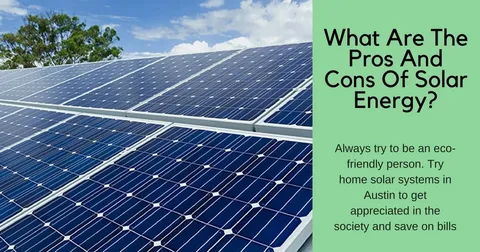
The world is moving steadily toward cleaner and more sustainable solutions, and solar power continues to stand at the center of this transformation. With the increasing affordability of solar panels and wider adoption of renewable energy, more homeowners and businesses are asking the same question: is solar really the right choice today? To answer that, we need to look closely at the Pros and Cons of Solar Energy in 2025.
This guide breaks down the benefits, drawbacks, and financial considerations in a simple way, helping you decide whether investing in solar is the right move.
What Is Solar Energy in 2025?
Solar energy is the process of capturing sunlight and converting it into electricity using solar panels. By 2025, the technology has advanced considerably, with higher efficiency rates, improved storage options, and smarter integration with the grid.
- Efficiency Improvements: Modern solar panels can now convert more sunlight into usable electricity, even in less-than-ideal conditions.
- Storage Options: Batteries allow homeowners to save excess energy for use at night or during outages.
- Smart Integration: Systems now connect seamlessly with home energy management tools.
At its core, solar remains one of the most accessible forms of renewable energy, giving households and businesses the chance to reduce their reliance on fossil fuels while lowering long-term costs.
Pros of Solar Energy
While not perfect, solar has some clear strengths that have made it one of the fastest-growing energy sources worldwide.
Advantages of Solar Energy
The advantages of solar energy in 2025 extend beyond just cutting electricity bills.
- Lower Energy Bills: By generating your own electricity, you depend less on the grid.
- Sustainability: Solar is a clean power source, reducing greenhouse gas emissions.
- Energy Independence: Solar allows households to rely less on utility companies.
- Increasing Property Value: Homes with solar installations often sell for more.
- Job Creation: The solar industry continues to generate thousands of new jobs.
The bottom line is that the pros are practical, financial, and environmental — making solar a strong contender for long-term energy solutions.
Cons of Solar Energy
Like all energy options, solar comes with trade-offs. To make an informed choice, it’s important to weigh these carefully.
Disadvantages of Solar Energy
The disadvantages of solar energy are fewer than before but still matter in 2025.
- Upfront Costs: Although prices are dropping, the installation investment is significant.
- Weather Dependence: Performance still varies depending on sunlight availability.
- Space Requirements: Not every rooftop is suitable for solar panel installation.
- Storage Costs: Batteries, while effective, add to overall system expenses.
- Policy Variations: Incentives and utility policies can differ by state and region.
While these challenges don’t eliminate the appeal of solar, they highlight why a thoughtful approach is necessary.
Costs, Incentives, and Tax Credits
The financial side of solar energy has shifted dramatically in recent years. Thanks to policy support and falling equipment prices, solar has become far more accessible.
Solar Incentives Explained
Government programs continue to support solar adoption. In 2025, many states still offer solar incentives such as rebates, performance-based credits, or property tax exemptions. These help reduce the financial burden of installation and encourage more people to embrace clean power.
Understanding the Solar Tax Credit
One of the most well-known financial benefits remains the solar tax credit. This federal incentive allows homeowners and businesses to deduct a percentage of installation costs from their taxes. While the specific rates can vary over time, the solar tax credit continues to be a strong motivator for those considering solar.
Together, these tools balance the upfront costs and make renewable systems much more appealing.
Is Solar Energy Right for You in 2025?
Deciding on solar is not just about the technology — it’s about your home, your finances, and your long-term goals.
Key questions to consider:
- Do you live in an area with high peak sun hours throughout the year?
- Is your roof in good condition and positioned to capture sunlight effectively?
- Are you planning to stay in your home long enough to benefit from long-term savings?
- Do the available solar incentives and tax credits in your area make the investment worthwhile?
If the answers lean positive, then solar is likely to be a smart choice. If not, exploring alternative renewable energy solutions may be worth considering.
For those ready to explore the transition, working with trusted solar companies can make the process smoother. A partner like Unicorn Solar can help evaluate your unique situation and offer customized recommendations.
Conclusion
The Pros and Cons of Solar Energy in 2025 show a clear picture: while solar requires careful consideration, the benefits often outweigh the drawbacks for many households. With improved solar panels, stronger policies, and financial tools like solar tax credit programs, the pathway toward cleaner, more affordable energy is becoming more realistic every year.
If you’re considering taking the next step, browse high-quality solar products or explore professional services that can guide you through the process. Partnering with experienced professionals ensures your investment in renewable energy delivers lasting results.
Ultimately, 2025 represents one of the best times yet to consider solar power — the balance between cost, performance, and environmental responsibility has never been more favorable.