
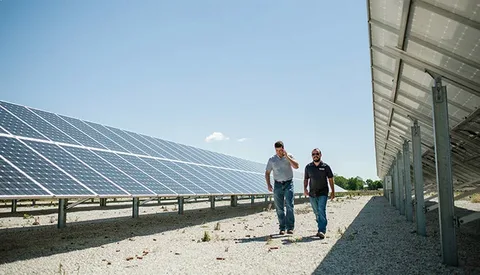
Sourcing solar equipment can seem daunting with the rapid technological advancements and the growing range of products on the market. At Unicorn Solar, we help businesses and project developers navigate this complex process with confidence. Whether you are planning a large-scale solar farm or a commercial PV installation, understanding the right steps can ensure efficiency, quality, and long-term performance.
Understanding Your Project Requirements
Before diving into procurement, it is critical to define your solar project’s specific needs.
Assess Your Energy Goals
- Determine your expected energy output and storage requirements.
- Consider future scalability and potential regulatory incentives.
- Factor in location-specific variables such as sunlight availability, shading, and seasonal variations.
Identify Component Specifications
- Decide on the type of solar panels needed based on efficiency, durability, and warranty.
- Choose the appropriate solar inverters to maximize energy conversion.
- List all other necessary components such as racking, wiring, and monitoring systems.
Researching Reliable Solar Suppliers
Selecting the right supplier is pivotal to project success.
Key Supplier Selection Tips
- Evaluate suppliers based on track record, certifications, and customer reviews.
- Confirm product warranties and post-sale support availability.
- Ensure suppliers comply with local and international PV system standards.
Benefits of Tiered Supplier Evaluation
- Tier-1 suppliers often offer higher reliability and consistency.
- Tier-2 suppliers may provide cost advantages but require more due diligence.
Buying Solar Modules
Solar panels are the core of your system, so their selection is crucial.
Steps for Procurement
- Compare panel efficiency, degradation rates, and temperature coefficients.
- Review independent performance testing data to validate supplier claims.
- Negotiate volume discounts and shipping logistics to optimize cost and delivery.
Considerations for 2026
- Emerging technologies may offer higher solar panel efficiency, 2026.
- Bifacial panels and advanced thin-film technologies are gaining traction.
Solar Inverters Procurement
Choosing the right inverters ensures energy conversion efficiency and system reliability.
Types of Inverters
- String Inverters: Ideal for consistent sunlight exposure and smaller systems.
- Central Inverters: Suitable for large-scale solar farms.
- Microinverters: Perfect for rooftops with shading or complex layouts.
Best Practices
- Match the inverter capacity to the solar array output.
- Verify efficiency ratings and ensure compatibility with monitoring systems.
- For guidance, consider integrating the best solar inverters for your project to maximize output.
Sourcing Other PV System Components
A solar project is more than panels and inverters. Ensure all additional equipment meets quality standards.
Essential Components
- Mounting and racking systems
- Cabling and connectors
- Monitoring and safety equipment
Procurement Tips
- Bulk purchasing can reduce costs, but verify storage and handling procedures.
- Consider long-term maintenance and replacement availability when sourcing components.
Logistics and Delivery Management
Efficient delivery and logistics planning minimize delays and reduce project risk.
Key Considerations
- Schedule deliveries based on project timelines and storage capacity.
- Inspect equipment upon arrival to avoid defective or damaged products.
- Coordinate with suppliers to handle customs and shipping documentation if importing.
Final Steps and Quality Assurance
Before installation, double-check all components for compliance and readiness.
Checklist
- Confirm that all panels, inverters, and auxiliary equipment meet specifications.
- Ensure warranties and certifications are documented.
- Conduct a site survey to validate the installation plan.
By following this structured approach, solar developers and businesses can secure high-quality equipment while minimizing risk. Implementing a thorough sourcing process not only ensures system reliability but also positions projects to benefit from advancements in solar panel efficiency in 2026.