
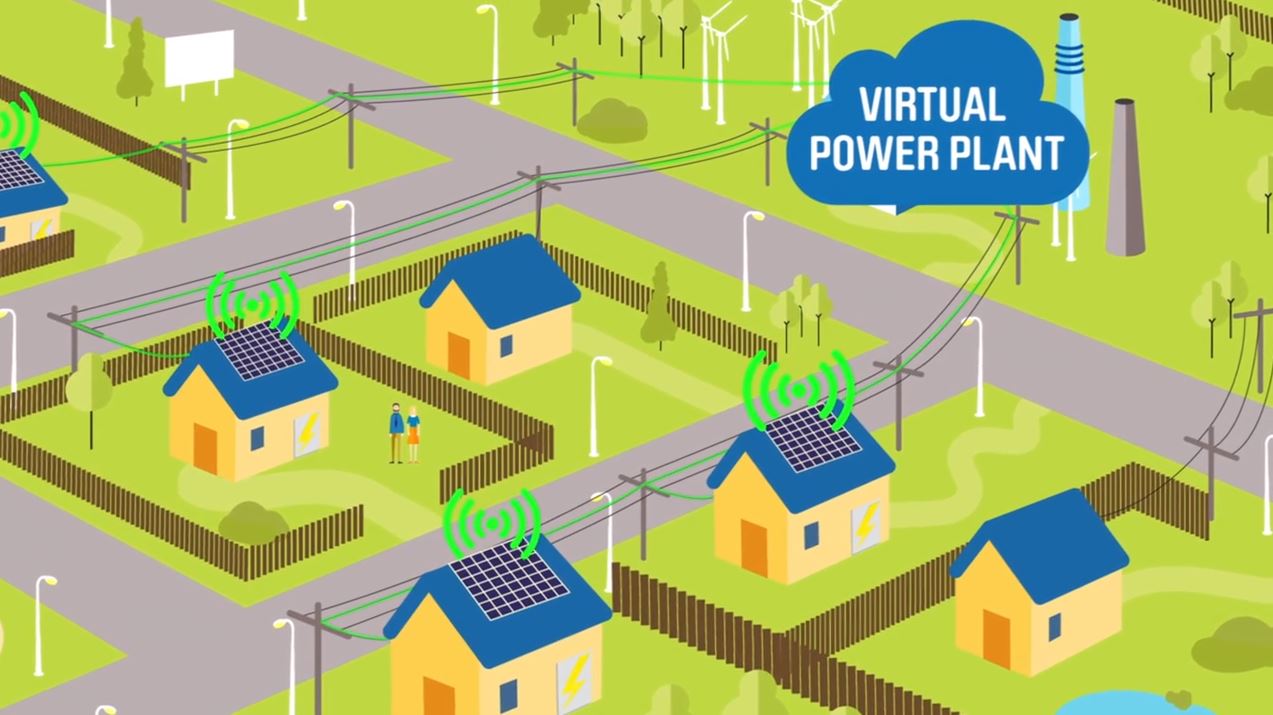
The energy landscape is undergoing a remarkable transformation, driven by the need for cleaner, more reliable power. At the forefront of this change are virtual power plants, a game‑changing concept that aggregates distributed energy resources to function as a unified, flexible power station. In this article, we’ll explore what is a virtual power plant is, delve into VPP solar integration, examine VPP electricity markets, and highlight how VPPs are strengthening grid resilience and optimizing renewable energy use.
What Is a Virtual Power Plant?
A virtual power plant (VPP) is a network of decentralized, medium-scale power-generating units—such as rooftop solar panels, battery storage systems, electric vehicles (EVs), and demand-response loads—that are pooled together and centrally managed through advanced software and communication technology. Unlike a traditional power plant, there’s no single physical location; instead, the VPP orchestrates diverse assets across multiple sites to deliver power, ancillary services, and grid-balancing capabilities in real time.
Key characteristics include:
- Aggregation: Combining solar PV systems, batteries, and other resources.
- Optimization: Using predictive analytics to forecast generation and consumption.
- Flexibility: Rapidly dispatching stored energy or modulating loads in response to grid needs.
By coordinating these assets, a VPP can bid into electricity markets, provide frequency regulation, and offer backup power, thereby enhancing grid stability while unlocking new revenue streams for participants.
How VPP Solar Integration Works
Integrating solar into a VPP involves three core components:
- Distributed Solar Generation: Homeowners and businesses install rooftop or community solar systems. Each installation generates energy and communicates production data to the VPP operator, feeding it into the local grid.
- Energy Storage: Paired battery systems store excess solar generation during peak production (sunny midday hours) and discharge during evening peaks. This maximizes self‑consumption and reduces reliance on fossil fuel-based peaker plants.
- Control Platform: A centralized software platform aggregates data, forecasts solar output and load patterns, and issues control signals. It determines when to export solar electricity to the grid when to charge or discharge batteries, and when to adjust loads (e.g., smart thermostats or EV chargers).
Through this orchestration, VPP solar assets can collaborate as a single, dispatchable power plant. They respond dynamically to grid demands, deliver VPP electricity at the optimal time, and help mitigate the intermittent nature of solar energy.
Benefits of VPP Electricity Services
Deploying VPPs brings multiple benefits for utilities, consumers, and society:
- Enhanced Grid Reliability: VPPs provide rapid frequency and voltage regulation, reducing the risk of blackouts and improving overall system stability.
- Peak Demand Management: By discharging batteries or curtailing flexible loads, VPPs reduce peak demand charges and defer costly grid upgrades.
- Increased Renewable Integration: Aggregated solar generation can more easily be integrated at scale, as VPPs buffer variability through coordinated storage dispatch.
- Economic Incentives: Participants earn revenue through energy arbitrage (buying low, selling high), ancillary service markets, and capacity contracts.
- Customer Empowerment: Homeowners and businesses become “prosumers,” monetizing their solar and storage investments while contributing to cleaner, more resilient grids.
Real‑World Applications
Several pioneering projects worldwide demonstrate the potential of VPP electricity networks:
- Australia’s Neoen VPP: One of the largest residential VPPs globally, combining over 50,000 home batteries and solar PV systems to deliver grid services in South Australia.
- Germany’s SonnenCommunity: Aggregates thousands of rooftop solar and battery systems, offering members discounted electricity rates and backup power.
- U.S. Pilot Programs: Utilities like PG&E and Con Edison are testing VPPs that leverage residential solar-plus-storage to defer infrastructure investments and improve reliability.
These initiatives showcase how what is a virtual power plant goes beyond theory—it’s a practical solution already reshaping energy markets.
Challenges and Considerations
While VPPs hold immense promise, there are hurdles to overcome:
- Regulatory Barriers: Existing tariffs and market rules may not accommodate aggregated resources or distributed bidding.
- Interoperability: Standardized communication protocols are needed to integrate diverse hardware and software platforms.
- Cybersecurity: As VPPs rely on digital networks, robust security measures are critical to prevent disruptions or malicious attacks.
- Customer Participation: Ensuring clear economic incentives and user‑friendly control options is key to widespread adoption.
Addressing these challenges requires collaboration among regulators, utilities, technology providers, and end users.
The Future of VPPs and Solar Energy
Looking ahead, VPPs are set to become a cornerstone of the smart grid:
- AI‑Driven Optimization: Machine learning algorithms will refine forecasting and dispatch decisions, maximizing efficiency and earnings.
- Integration with EV Fleets: Electric vehicles will serve as mobile storage units, further boosting VPP flexibility and capacity.
- Peer‑to‑Peer Energy Trading: Blockchain or distributed ledger technologies may enable direct energy transactions among prosumers within a VPP.
- Scalable Virtual Batteries: As battery costs decline and efficiency improves, VPPs will scale rapidly, supporting higher penetration of solar energy.
These advancements will deepen the role of VPPs in decarbonizing the energy sector and delivering resilient, cost‑effective power.
Conclusion
Virtual power plants represent a paradigm shift in energy delivery, transforming dispersed solar panels and batteries into a cohesive, market-ready power source. By understanding what a virtual power plant (VPP) is, exploring VPP solar applications, and tapping into VPP electricity markets, stakeholders can drive grid resilience, enable greater renewable energy integration, and unlock new economic opportunities. As the energy transition accelerates, VPPs will play an indispensable role in building a clean, reliable, and decentralized power system.
Ready to explore how VPPs can benefit your solar project? Contact Unicorn Solar.